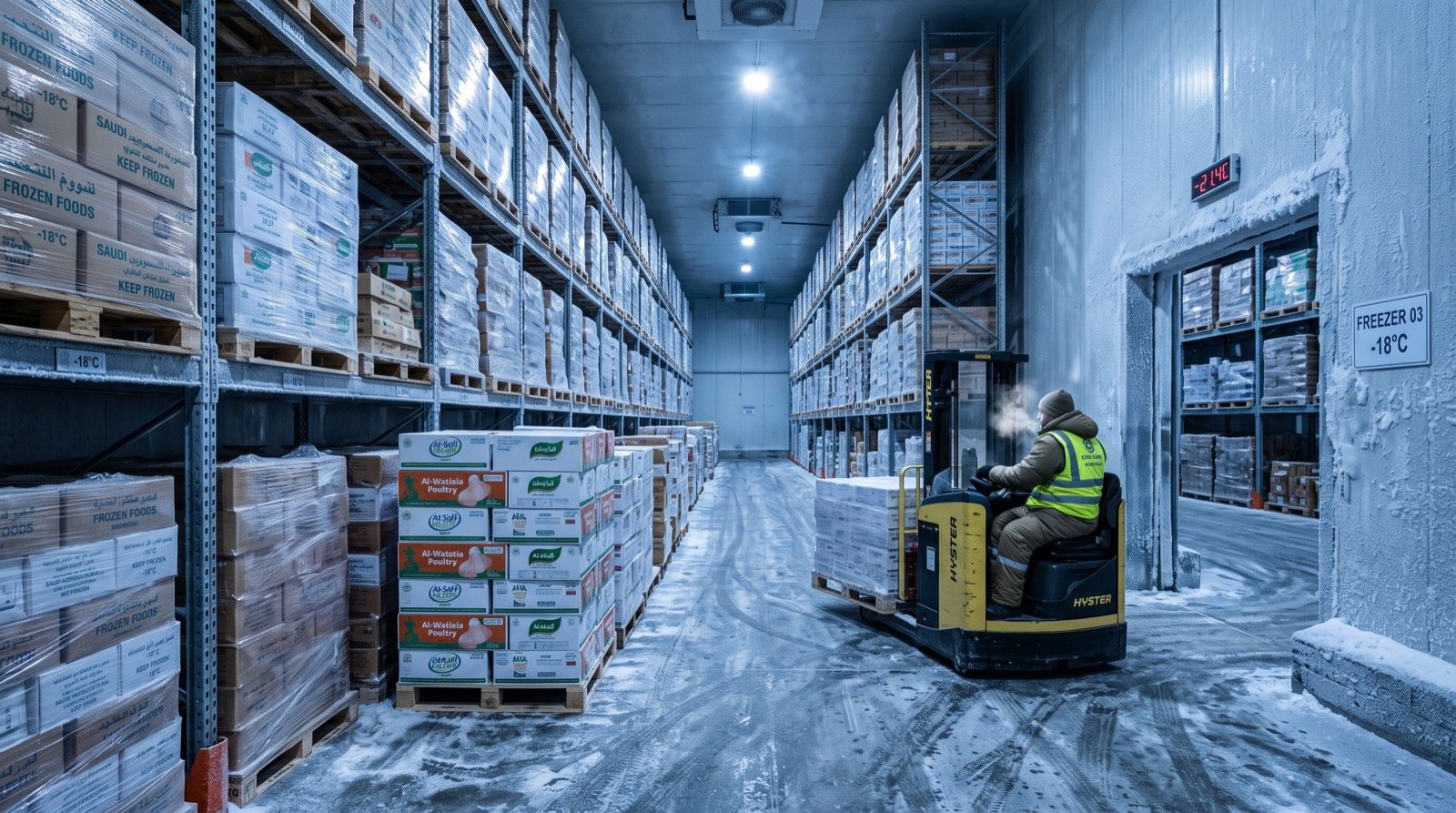
Cold Storage in Jeddah: A 2026 Guide to Frozen & Temperature-Controlled Warehousing
Cold storage in Jeddah has become one of the most critical links in Saudi Arabia’s food and pharmaceutical supply chain. As the Kingdom’s largest Red Sea gateway, Jeddah handles enormous volumes of perishable seafood, dairy, meat, produce, and medicine that all depend on an unbroken cold chain. In 2026, with import volumes rising and consumer expectations for freshness climbing, choosing the right frozen storage partner is no longer optional. This guide explains how temperature-controlled warehousing works in Jeddah, what to look for, and how to keep your goods safe from port to shelf.
Whether you import Norwegian salmon, run a chain of restaurants, or distribute vaccines, the fundamentals are the same. You need reliable refrigeration, disciplined temperature monitoring, and a facility that understands the specific demands of Saudi Arabia’s climate.
Why Cold Storage in Jeddah Matters More Than Ever
Jeddah’s location makes it a natural hub. Goods arriving through the Islamic Port of Jeddah move quickly into the city and onward to Makkah, Madinah, and the western region. But the same heat that defines the region is the enemy of every perishable product.
Ambient temperatures regularly exceed 40°C in summer. Without proper refrigeration, frozen goods degrade within hours. A single break in the cold chain can spoil an entire shipment, trigger regulatory penalties, and damage a brand’s reputation. That is why professional Frozen Storage in Jeddah facilities invest heavily in redundant cooling, backup power, and continuous monitoring.
The cold chain in simple terms
The cold chain is the temperature-controlled journey a product takes from origin to consumer. It includes:
- Refrigerated ocean containers and reefer trucks
- Temperature-controlled receiving docks
- Frozen and chilled warehouse zones
- Order picking in climate-managed areas
- Last-mile refrigerated delivery
Every handoff is a risk point. The best facilities minimize the time goods spend exposed to ambient air.
Types of Temperature-Controlled Storage
Not all products need the same environment. Understanding the categories helps you avoid overpaying for colder storage than you need, or worse, storing sensitive goods too warm.
| Storage Type | Typical Range | Common Products |
|---|---|---|
| Deep Frozen | -25°C to -18°C | Seafood, ice cream, frozen meat |
| Frozen | -18°C to -12°C | Poultry, frozen vegetables |
| Chilled | 0°C to 5°C | Dairy, fresh produce, pharmaceuticals |
| Ambient / Dry | 15°C to 25°C | Canned goods, grains, dry packaging |
Many businesses need a mix. A restaurant supplier might use deep-frozen zones for seafood while relying on Dry Storage in Jeddah for canned ingredients, flour, and shelf-stable packaging. Combining both under one roof reduces transport costs and simplifies inventory.
What Makes a Reliable Frozen Storage Facility?
When you evaluate a provider, look past the marketing. The details below separate genuine specialists from generic warehouses.
- Redundant refrigeration. Backup compressors and generators keep temperatures stable during power interruptions.
- 24/7 monitoring. Digital sensors log temperature continuously and alert staff instantly if a zone drifts.
- Food-safety compliance. Facilities should align with HACCP principles and Saudi regulatory standards.
- Clean, pest-controlled space. Hygiene protocols protect food and pharma alike.
- Trained handlers. Staff who understand FIFO rotation and rapid dock transfers.
Regulatory oversight in the Kingdom is strict. The Saudi Food and Drug Authority sets clear requirements for how food and medicine must be stored and transported, and reputable operators build their processes around these rules.
How does temperature monitoring protect your goods?
Modern facilities use IoT sensors that feed a central dashboard. If a freezer door is left open or a compressor falters, the system flags it before products are compromised. Data logs also provide an audit trail, which is invaluable during inspections or when a customer requests proof of cold-chain integrity. Working with quality service providers who take documentation seriously gives you peace of mind and legal protection. You can compare approaches to safe handling in this guide to quality service providers who prioritise hygiene and consistency.
Cost Factors to Plan for in 2026
Frozen storage costs more than dry storage because of energy and equipment demands. Budget for these variables:
- Temperature zone: Deeper freezing consumes more power and costs more per pallet.
- Storage duration: Long-term contracts often unlock lower per-unit rates.
- Handling frequency: High-turnover inventory needs more labour and dock time.
- Value-added services: Labelling, kitting, and blast freezing add cost but save you effort.
Energy prices and sustainability targets are pushing operators toward efficient refrigeration. Facilities that invest in modern insulation and variable-speed compressors can pass savings on to clients while reducing their carbon footprint.
Practical Tips for New Importers
From experience working with Jeddah importers, a few habits prevent most cold-chain failures:
- Pre-book reefer plug-in slots at the port to avoid delays.
- Insist on temperature data loggers inside every container.
- Schedule receiving during cooler hours when possible.
- Audit your storage partner at least once a year.
- Keep a small buffer of frozen and dry capacity for demand spikes such as Ramadan and Hajj.
Seasonal Demand and Peak Planning
Jeddah’s storage needs are not constant. Demand surges around Ramadan, Hajj, and the summer travel season, when millions of visitors pass through the western region. Food importers and caterers see frozen inventory turnover spike dramatically during these periods.
Smart operators plan ahead rather than scrambling for space at the last minute. A few practices help you stay ready:
- Forecast peak volumes at least three months in advance.
- Reserve flexible frozen and chilled capacity before high season.
- Coordinate reefer transport early to avoid port congestion.
- Keep safety stock of long-life frozen items to buffer demand shocks.
Because pilgrimage and holiday cycles are predictable, businesses that build these rhythms into their storage contracts avoid emergency premiums and stockouts. A flexible provider that can scale your frozen footprint up and down is worth its weight in gold during peak months.
Frequently Asked Questions
What is the ideal temperature for cold storage in Jeddah?
It depends on the product. Deep-frozen seafood and ice cream need -18°C or colder, while chilled dairy and produce sit between 0°C and 5°C. A good facility offers multiple zones so each product stays in its ideal range.
How much does frozen storage cost in Saudi Arabia?
Pricing varies by temperature zone, pallet volume, and contract length. Frozen storage generally costs more than dry storage due to higher energy use. Request a quote based on your exact pallet count and turnover for an accurate figure.
Can one facility handle both frozen and dry goods?
Yes. Many Jeddah warehouses combine frozen, chilled, and dry zones under one roof. This lets you consolidate inventory, cut transport costs, and simplify your supply chain with a single trusted partner.
How do I keep the cold chain unbroken from port to warehouse?
Use refrigerated transport, minimise dock exposure, and insist on continuous temperature logging. Partnering with an experienced provider who owns reefer trucks and monitored docks is the most reliable way to protect your goods.
Conclusion: Choose Cold Storage in Jeddah With Confidence
In 2026, dependable cold storage in Jeddah is the difference between goods that arrive fresh and losses that hurt your bottom line. Focus on facilities with redundant refrigeration, continuous monitoring, regulatory compliance, and flexible frozen and dry capacity. The right partner protects your products, your customers, and your reputation.
Ready to secure temperature-controlled space in Jeddah? Contact a specialist storage provider today, request a tailored quote, and keep your cold chain unbroken from the port to the plate.