
Pooper Scooper Health Guide: Why Cleanup Matters 2026
A pooper scooper is more than a convenience tool; it is a frontline defense for your family’s health. Uncollected dog waste is not harmless fertilizer. It carries bacteria and parasites that can affect people, children, and other pets. In 2026, understanding why cleanup matters, and how to do it safely, turns a small daily habit into real protection.
This guide focuses on the health side of pet waste management: what the risks are, how the right tools reduce them, and the routine that keeps your home and yard genuinely clean.
Why Is Uncollected Pet Waste a Health Risk?
Dog waste can contain pathogens like roundworms, hookworms, giardia, and E. coli. These can linger in soil for a long time and pose a risk to anyone who touches contaminated ground, especially children who play in the yard. The Centers for Disease Control and Prevention highlights that several of these parasites are zoonotic, meaning they can pass from animals to humans.
Prompt removal with a proper tool breaks that chain. When waste is scooped, bagged, and binned quickly, the pathogens never get the chance to spread into your living space.
How Does the Right Tool Protect You?
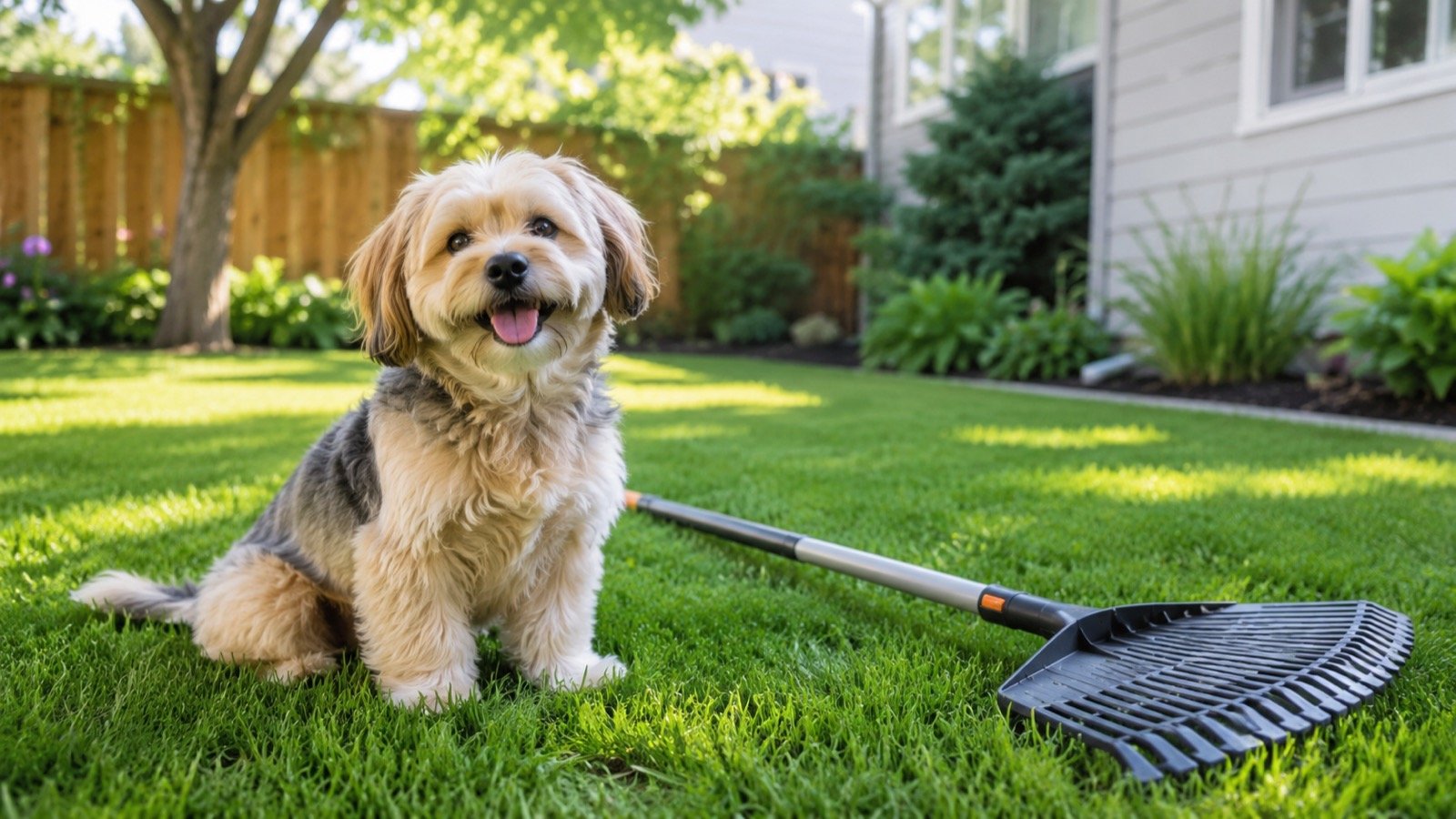
A good scooper keeps your hands and body away from waste entirely. A long-handled Pooper scooper lets you lift and contain waste without bending or touching it, which minimizes contamination risk. Combined with a bag, the whole process stays hygienic from start to finish.
- Distance: a long handle keeps waste far from your hands and clothes.
- Containment: attached bags seal waste immediately.
- Cleanability: metal or smooth surfaces rinse off pathogens.
- Consistency: an easy tool means you actually clean daily.
Building a Safe Cleanup Routine
How Often Should You Remove Pet Waste?
Daily removal is the gold standard. Fresh waste is easier to lift and less likely to be tracked into the house. Multi-dog homes benefit from twice-daily sweeps. Letting waste sit for a week gives parasites time to mature and contaminate the soil.
Follow a simple, repeatable process to keep things sanitary.
- Attach a fresh bag before you begin.
- Scoop each deposit in one clean motion.
- Seal the bag right away with a tight knot.
- Wash your hands after, even if you never touched the waste.
- Rinse the tool and store it to dry.
Comparing Cleanup Approaches by Risk
| Approach | Contamination Risk | Effort |
|---|---|---|
| Bare hands + bag | High | Low |
| Short plastic scoop | Medium | Medium |
| Long-handled scooper | Low | Low |
| Scooper + heavy duty bag | Very low | Low |
The pattern is clear: the right hardware lowers your exposure while keeping the job quick. That combination is why long-handled tools have become the default for health-conscious owners.
Don’t Overlook the Bag
Even a great scooper is only half the system. Thin bags that tear can expose you to waste at the worst moment. A supply of heavy duty garbage bags ensures the waste stays fully contained from yard to bin. Choose leak-resistant options sized for your dog to avoid any surprises.
For help building a complete, hygienic cleanup kit, dependable specialists can recommend the right tool and bag combination for your household. A little guidance goes a long way toward a genuinely clean yard.
Protecting Children and Other Pets
Homes with young children need to be especially careful. Kids play close to the ground, put hands in their mouths, and explore every corner of the yard. That makes them the most vulnerable to soil contaminated by pet waste, so daily removal in play areas is essential rather than optional.
Other pets are at risk too. Dogs and cats can reinfect themselves or each other by contact with waste-contaminated ground. Keeping the yard clean breaks the cycle of parasite transmission that veterinarians see all too often. If you have multiple animals, consistent cleanup protects the whole household, two-legged and four-legged alike.
How Do You Sanitize a Contaminated Area?
If waste has been sitting, removal is only the first step. Pick up all solid waste first, then rinse the area thoroughly. For hard surfaces like patios, a diluted cleaning solution helps neutralize lingering pathogens. Grass is trickier, so time and sunlight do much of the work once the waste is gone. Avoid letting children or pets onto a freshly contaminated spot until it has been cleaned and given time to recover.
Building Hygiene Into Your Cleanup Kit
A truly hygienic routine relies on a few dependable items kept together and ready to go.
- Long-handled scooper: keeps waste away from your body.
- Heavy duty bags: contain waste without tearing.
- Disposable gloves: an extra barrier for deep cleans.
- Hand sanitizer or soap: for immediate cleanup after.
- A dedicated bin: to keep waste sealed and separate.
Frequently Asked Questions
Can dog waste really make people sick?
Yes. Dog waste can carry parasites and bacteria that are transmissible to humans, particularly children. Prompt, consistent removal is the best way to reduce that risk in your yard and home.
How long do parasites survive in soil?
Some parasite eggs can persist in soil for months or even years under the right conditions. That is why daily cleanup matters so much, since it prevents contamination from building up over time.
Do I need gloves if I use a scooper?
A long-handled scooper keeps you away from waste, but washing your hands afterward is still smart. Gloves add an extra layer of protection and are worth using during deep yard cleanups.
Is it safe to let kids play where a dog goes?
Only if the area is cleaned daily. Consistent waste removal keeps play areas safe. If waste has been sitting, clean thoroughly and give the ground time before letting children play there.
Conclusion
Using a proper pooper scooper is a simple act with real health benefits. It keeps parasites out of your soil, protects your family, and makes daily cleanup effortless. Pair a long-handled tool with heavy duty bags, clean consistently, and wash up afterward. In 2026, that small routine is one of the easiest ways to keep your home safe and your yard truly clean.